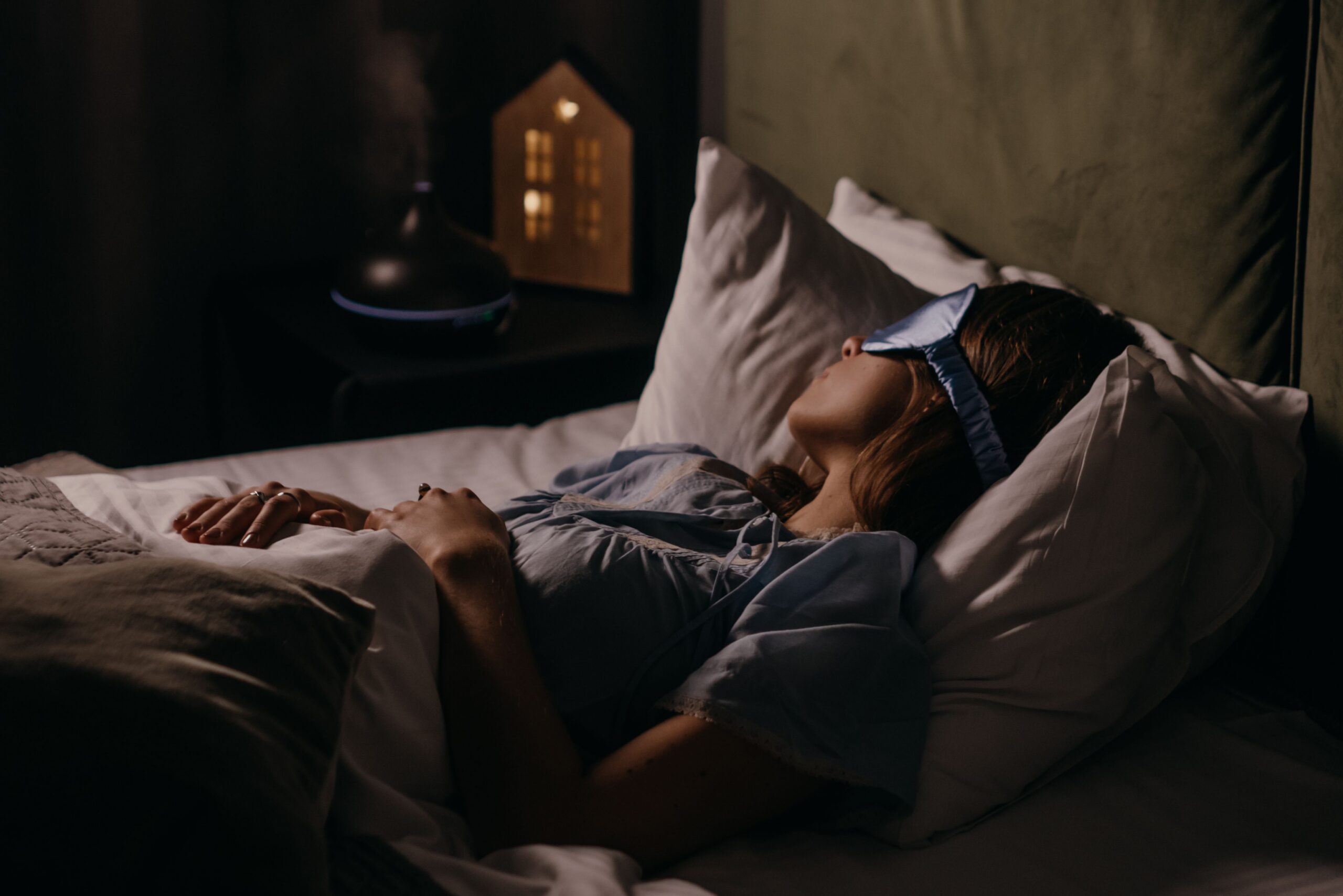


You’re exhausted by 8 p.m., wide awake by 10, and staring at the ceiling at 3 a.m. Sound familiar?
If your sleep’s felt off since the days started getting shorter, you’re not imagining it.
Autumn changes the signals your body uses to know when to sleep.
And if you’re in your late 30s, 40s, or early 50s, hormonal shifts can make those changes feel even bigger.
The good news is that a simple, consistent evening routine can make a real difference.
Here’s what’s happening, and where to start.
Why Autumn Changes Your Sleep
Your sleep-wake cycle is guided by your circadian rhythm, your internal 24-hour clock, and its most powerful cue is light.
As daylight fades in the evening, your body releases melatonin, the hormone that helps you feel sleepy.
In autumn, the sun sets earlier, so your body starts that process sooner. But most of us don’t live by the sun. We flip on bright overhead lights, answer emails, and scroll our phones well into the night.
Bright light in the evening, especially from overhead lighting and screens, can delay melatonin release. The result is a body that’s tired and a brain that’s getting mixed messages.
Why Sleep Gets Harder in Perimenopause
Many women first notice sleep changes in perimenopause, the years leading up to menopause when hormones begin to fluctuate.
Progesterone has a naturally calming effect, partly through its influence on GABA, the brain’s main “slow down” messenger. As progesterone declines, many women find it harder to fall asleep and stay asleep.
Estrogen plays a role in body temperature regulation. When it fluctuates, night sweats and hot flashes can interrupt sleep, and many women start waking in the early hours without knowing why.
Add in stress, a full calendar, and the seasonal light shift, and it’s no wonder so many women feel like sleep has turned against them.
The “Wired but Tired” Evening
There’s one more piece: your nervous system.
If your day runs at full speed right up until bedtime, your body doesn’t get the gradual downshift it needs.
Many women also stay up late on purpose, because it’s the only time that finally feels like theirs. (There’s even a popular name for this: “revenge bedtime procrastination.”)
The answer isn’t more discipline. It’s creating a bridge between your busy day and your bed.
A Simple 3-Step Autumn Evening Routine
I call this practice The Evening Exhale, and it has three parts:
- Dim your lights when the sun goes down, to signal your body that evening has arrived.
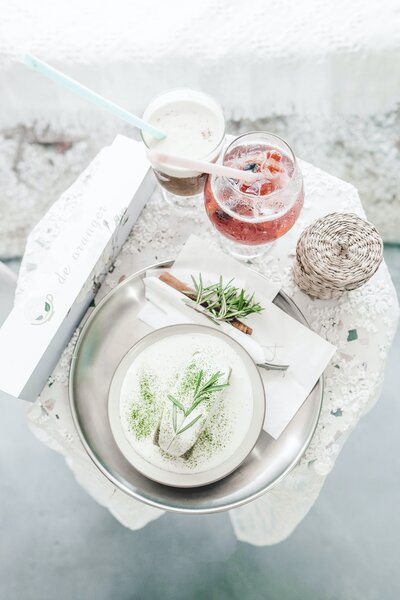
- Close the day with one small cue, like herbal tea or writing tomorrow’s to-do list, so your mind can let go.
- Soften your nervous system before bed with slow breathing, a warm shower, or a few minutes of stillness.
I shared the full Evening Exhale ritual, with every step and how to make it stick, in my newsletter. [Join here] to receive a simple, seasonal practice for your body and life every week.
More Sleep-Supporting Habits for Fall
- Keep a consistent wake time, even on weekends. It anchors your whole rhythm.
- Get morning light soon after waking. Ten minutes outside helps set your internal clock for the day, which supports sleepiness later.
- Stop caffeine by early afternoon. Caffeine can stay in your system for many hours.
- Go easy on evening alcohol. It may help you fall asleep but tends to disrupt sleep in the second half of the night.
- Keep your bedroom cool, especially if night sweats are part of your picture.
When to Get Support
If you’ve had trouble sleeping for weeks or months, snore loudly, wake up gasping, or have night sweats that disrupt your life, please talk with your healthcare provider.
Cognitive behavioral therapy for insomnia (CBT-I) is a well-researched first-line treatment, and there are good options for perimenopausal symptoms, too.
If you’d like hands-on support for a nervous system that struggles to settle, [CranioSacral Therapy] is a gentle option to explore.
Rest Is a Rhythm, Not a Reward
You don’t have to earn rest by finishing everything first. Your body is already asking to slow down with the season. A few small evening rituals are simply a way of saying yes.
Want a small, meaningful practice for your wellbeing every week? [Join the RELEASE newsletter] for seasonal rituals, nervous system tools, and gentle guidance for women who are ready to put themselves first.
With you in the exhale,
Serenity
Missed last weeks insights? No worry, check it out here.